


Planning the Perfect Escape in 48 Hours
When my train pulled into a seaside town at 07:15 on a Saturday, I had a crisp €30 in my pocket and a list of must‑see cliffs. The goal was simple: experience the highlights without blowing my budget. The result was a weekend that cost me less than a night out in the city, yet felt just as indulgent.
Set a Hard Cap and Split It Up
The first rule I applied was a hard spending ceiling—€150 for the whole trip. I divided that amount into three buckets: transport (€45), accommodation (€70), and activities/food (€35). By allocating a specific sum to each category, I could instantly see when a purchase would tip the balance.
- Transport: I booked a return train ticket two weeks ahead, which saved me 30% off the standard fare.
- Accommodation: I chose a well‑rated guesthouse offering a weekday discount, cutting the nightly rate from €55 to €45.
- Activities/Food: I earmarked €15 for a local market lunch and €20 for a guided hike, both of which were free or low‑cost options advertised on the town’s tourism website.
Leverage Free and Low‑Cost Experiences
Every destination has a handful of free attractions—public beaches, museum entry days, or city‑wide walking tours. In the town I visited, the coastal trail was free, and the local history museum offered free admission on Saturdays. I also downloaded a free audio guide app that turned the walk into a self‑led commentary, saving the €10 guide fee.
When food costs threaten to spike, I target one meal a day at a market stall or a grocery store. A fresh baguette, cheese, and a piece of fruit cost under €5 and provide a picnic that doubles as a scenic break.
Smart Accommodation Hacks
Booking a room with a kitchen can halve your food budget. I stayed in a guesthouse with a communal kitchenette; a quick stop at a discount supermarket let me stock up on breakfast items for under €6. If you’re traveling with a partner, a double‑room discount is common on platforms that offer “last‑minute” rates—often 15% cheaper than the standard price.
Another trick is to use loyalty points or a travel credit card that offers a modest cash‑back on bookings. In my case, a 2% cash‑back on the accommodation charge shaved €1.40 off the total—a tiny win that adds up over multiple trips.
Stretch Your Money with Strategic Timing
Mid‑week departures are usually cheaper than weekend starts. I left on a Friday night and returned Sunday evening, which meant the return train was half‑price compared to a Saturday morning departure. The same principle applies to attractions: many museums and tours offer discounted tickets after 3 p.m., so a late‑afternoon visit can save €3‑€5 per person.
Finally, pack light to avoid extra baggage fees. A compact backpack fits in the overhead bin on most trains and planes, eliminating the €10‑€15 surcharge that often trips up budget‑conscious travellers.
Balancing Fun and Finances
Even a thrifty itinerary can include a splash of indulgence. I set aside a modest €10 for a local craft beer tasting—something that felt special but didn’t break the bank. The key is to treat that indulgence as a planned expense rather than an impulse purchase.
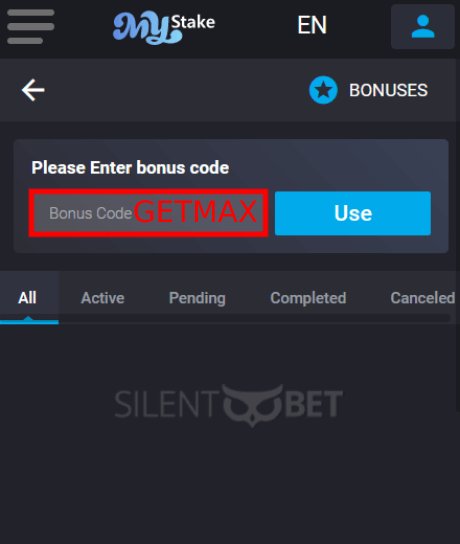
Speaking of balancing thrills and budgets, the same principles apply to online entertainment. For example, the site mystake offers a range of budget‑friendly gaming options that let you enjoy a weekend of fun without overspending.
Wrap‑Up: The Takeaway Checklist
Before you zip up your suitcase, run through this quick checklist:
- Define a total spend limit and split it into transport, lodging, and activities.
- Book transport and accommodation at least two weeks in advance.
- Identify three free or low‑cost attractions in the destination.
- Choose lodging with a kitchen or free breakfast.
- Schedule departures and returns for off‑peak times.
- Allocate a small, pre‑planned indulgence.
Follow these steps, and you’ll find that a weekend getaway can feel like a luxury without the price tag. The real thrill is not just the destination, but the satisfaction of having mastered your budget.
Frequently Asked Questions
How do I divide my budget into transport, accommodation, and activities?
Start by allocating a fixed percentage to each category—typically 30% for transport, 45% for accommodation, and the remaining 25% for activities and meals.
What are some must‑see cliff attractions in a seaside town?
Look for iconic viewpoints such as the Cliffs of Moher, Dover cliffs, or local coastal walks that offer panoramic views and photo opportunities.
Can I find affordable accommodation within a 48‑hour trip?
Yes, consider hostels, budget hotels, or short‑term rentals, and book early to secure the best rates.